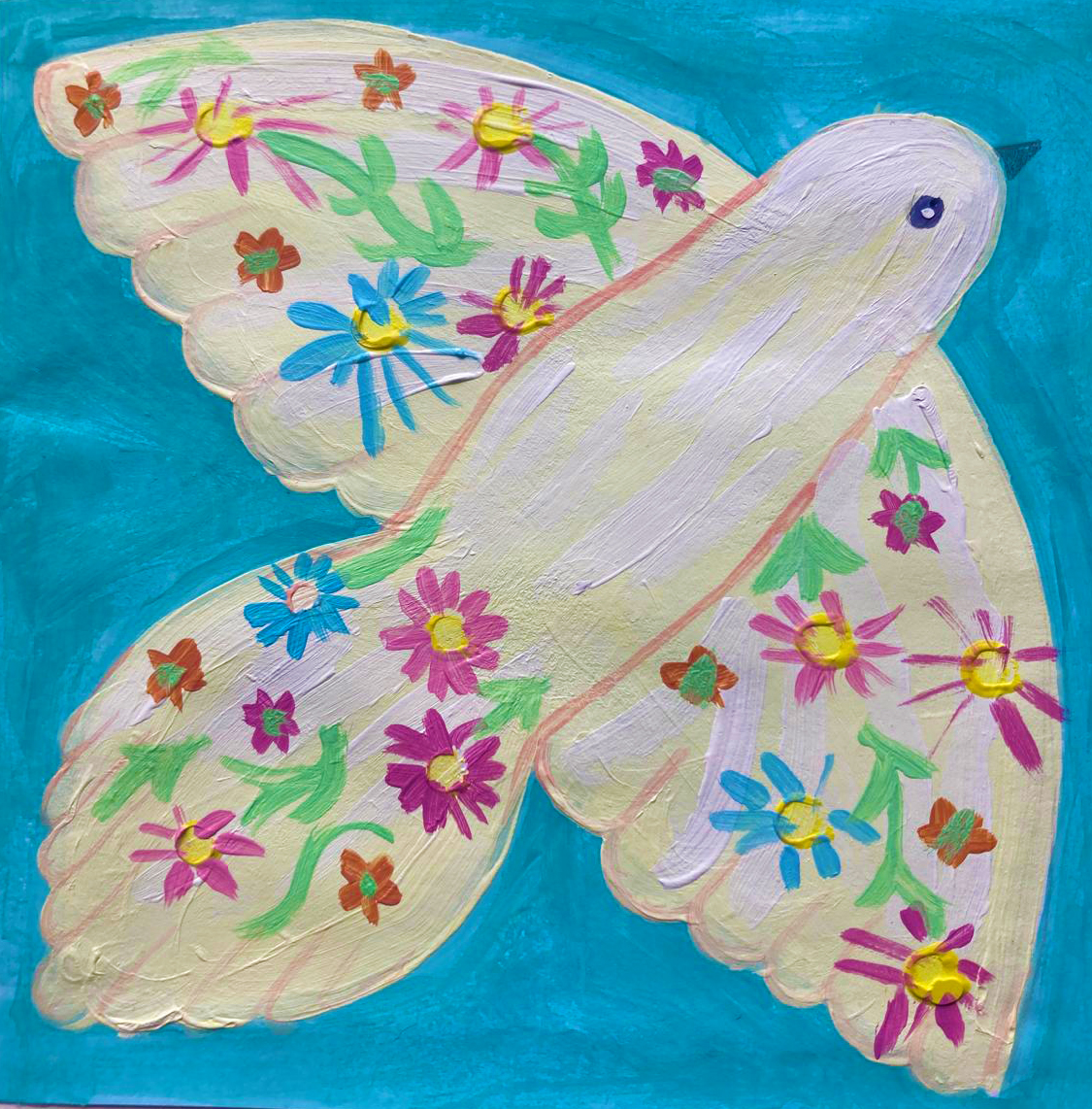
Art Therapy

Discovering how the act of creating can heal, connect, and transform.

What is it?

The Healing Power of Art

Art therapy is a form of psychotherapy that uses the creative process as a means of communication and self-expression. Guided by a trained art therapist, it offers a way to explore thoughts, feelings and experiences that can be difficult to express through words alone.

Unlike traditional art classes, art therapy isn't about technical skill or producing a beautiful end result — it's about the process of creating. Making marks, mixing colours and bringing something into existence can be profoundly cathartic and revealing.

Art therapy is used with people of all ages in settings ranging from schools and hospitals to community centres and residential care, with a growing body of research supporting its effectiveness.

Find Out More

"Art enables us to find ourselves and lose ourselves at the same time." — Thomas Merton
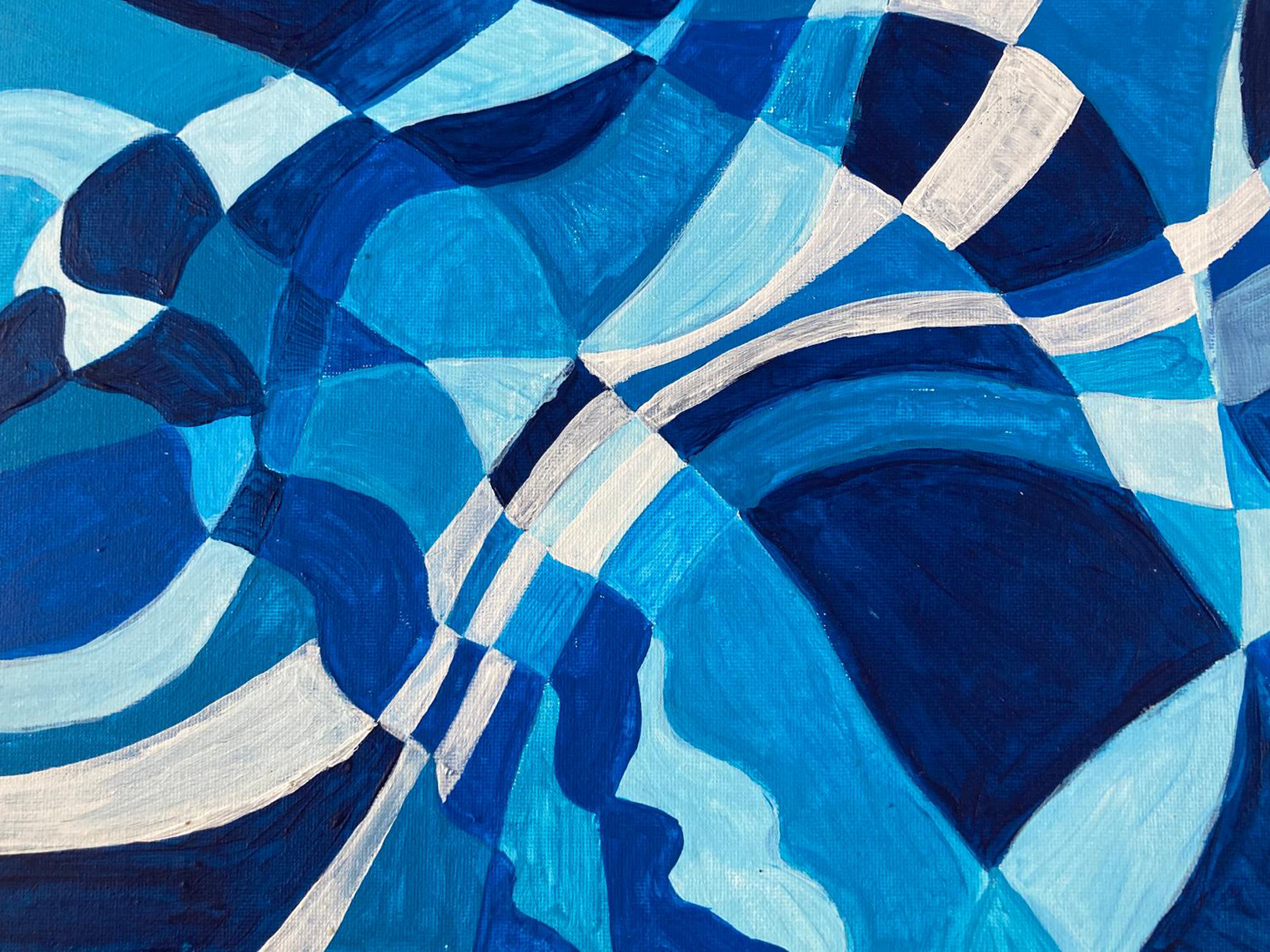
James Tinsley — Mosaic artwork

The Benefits of Art Therapy

Research and lived experience both point to the remarkable range of benefits that art therapy can offer.

  • Reduces stress and anxiety — the rhythmic, focused nature of making art calms the nervous system and lowers cortisol levels.
  • Improves self-esteem and confidence — completing a piece of artwork, however simple, creates a sense of achievement and pride.
  • Helps process difficult emotions — art provides a safe and non-verbal channel for exploring feelings that may be hard to articulate.
  • Promotes positive mental health — regular creative activity is associated with reduced symptoms of depression and improved overall wellbeing.
  • Improves cognitive function — planning, problem-solving and decision-making in art all exercise the brain in meaningful ways.
  • Builds social connections — group art therapy sessions foster a sense of community and reduce feelings of isolation and loneliness.
  • Enhances communication — particularly valuable for those who find verbal communication challenging, including people with autism or dementia.
  • Develops fine motor skills — handling brushes, pencils and other materials helps maintain and improve dexterity and coordination.
James Tinsley — Songbird artwork

Our Commitment

Art Therapy & the Foundation

James' artistic journey is a living, breathing testament to the power of art therapy. Those closest to James have seen how creating art gave him a voice, a sense of purpose and valuable connection with others. His experiences are the building blocks which underpin the James Tinsley Art Foundation.

We are committed to championing art therapy and for Jame' lived experience to help others who might benefit from it. We believe no-one should be denied the opportunity to experience the healing power of creative expression.

Through raising awareness of art therapy the foundation works to:

  • Act as a hub of information that sign posts communities to organizations
  • Raise awareness of the evidence behind art as a therapeutic tool
  • Inspire individuals to take that first creative step